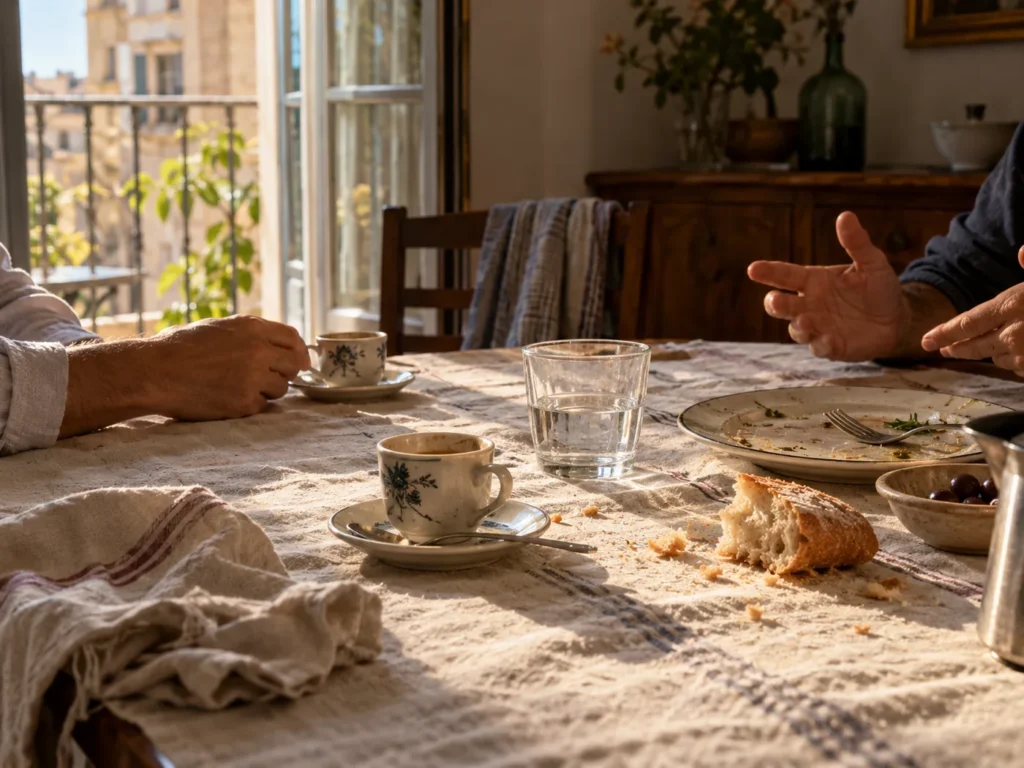
Language, food, and the memory of work shape a region whose character emerges between its familiar landmarks.
The Basque Country often introduces itself through images: the Guggenheim beside Bilbao’s river, a pintxo bar in San Sebastián, a green hillside above the sea. Each offers a way into the region. Together, they still leave much to discover.
Look a little longer and another picture emerges: a language used in everyday conversation, a meal that keeps people around the table, a landscape marked by farming, fishing, and industry. Tradition and change occupy the same streets.
In this corner of northern Spain, the most rewarding journey may begin with the familiar sights and continue through the life around them.
Three territories, several ways of life
Euskadi, the Basque autonomous community in Spain, comprises Bizkaia, Gipuzkoa, and Araba, also known as Álava. Basque culture and language extend beyond these boundaries into Navarre and the French Basque Country. The distinction matters, especially on a first visit.
Bizkaia brings the industrial history of the Bilbao estuary into view. Its riverbanks, port, and towns help explain how closely work and landscape have shaped one another. Beyond the city, the territory opens into fishing towns, wooded valleys, and stretches of coast where the weather can change the mood of a walk.
In Gipuzkoa, Donostia–San Sebastián offers a meeting of city streets and sea. Farther inland, the landscape turns toward farmhouses, hills, and smaller towns. Araba has a different rhythm again: the streets of Vitoria-Gasteiz, its provincial capital, lead toward a territory that also includes forests, farmland, and the vineyards of Rioja Alavesa.
These places share institutions and traditions, but they do not offer a single, uniform version of Basque life. Leaving room for their differences makes the journey more interesting.
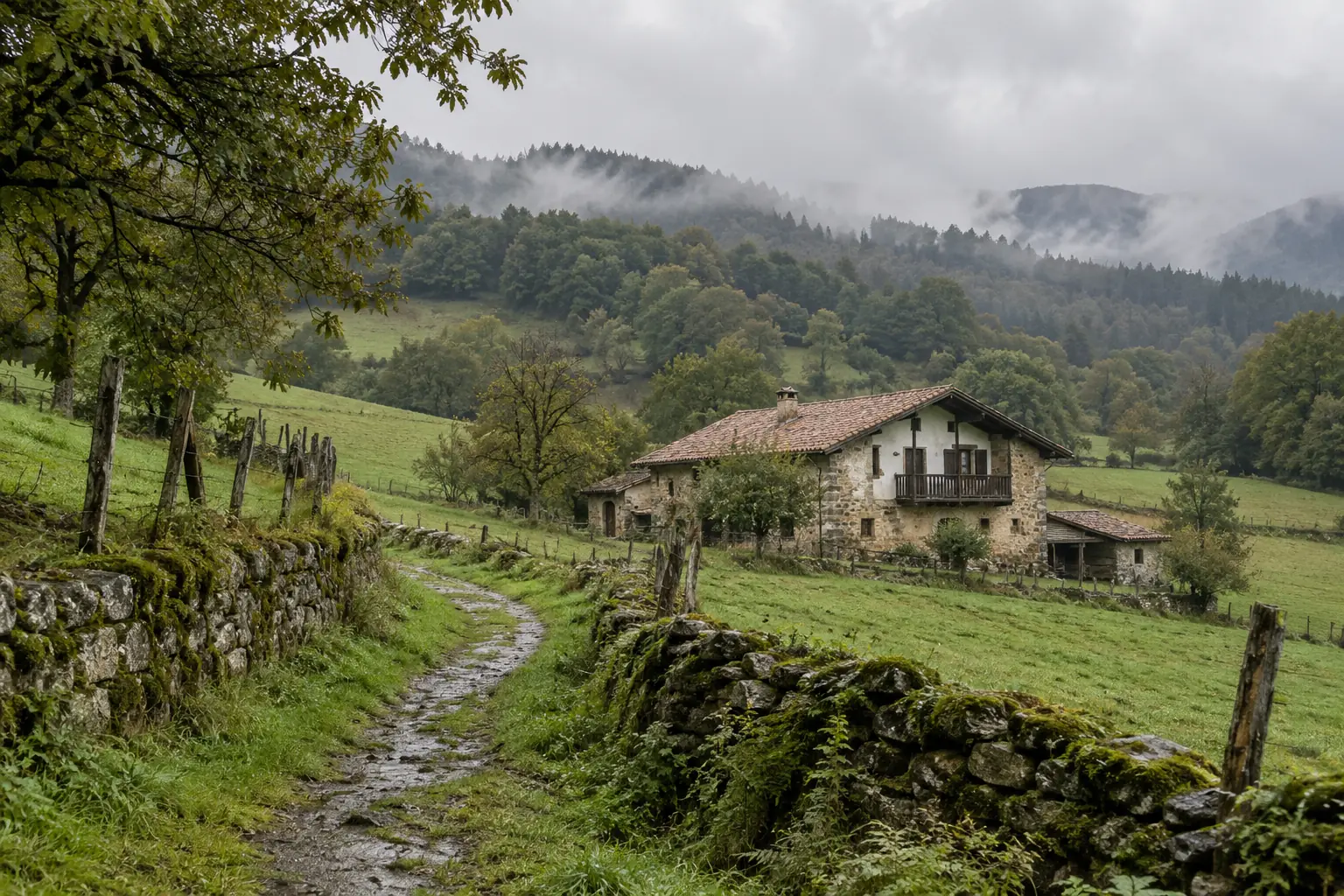
A language heard in the present
Euskera, the Basque language, is one of the clearest expressions of that identity. Linguists classify it as a language isolate, meaning that it belongs to no established language family. Its history invites curiosity, but its everyday use deserves just as much attention.
Basque and Spanish are both official languages in Euskadi. Their presence varies from place to place and from one conversation to another. A visitor may encounter Euskera on signs, in schools, in a bookshop, or across a café table.
Describing it only as an ancient mystery leaves out the people who speak, learn, write, and work in it today. A language lives through these ordinary choices, made at home, in the classroom, or among friends.
Around the table
Basque cooking offers another way into the region. A market stall, a neighborhood bar, a family kitchen, and a restaurant can all reveal something about how food becomes part of daily life.
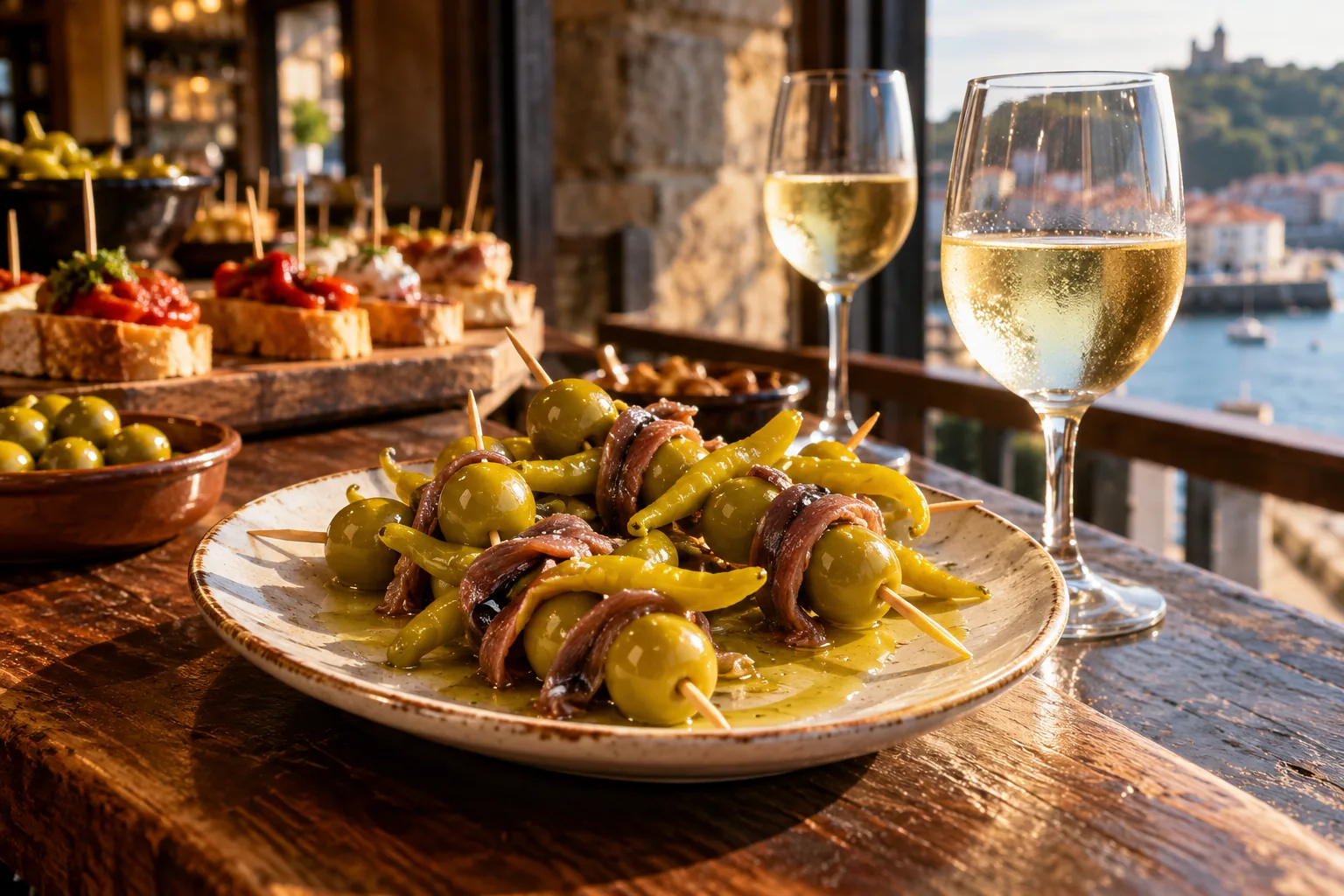
Pintxos are an inviting starting point. These small dishes make it possible to try several flavors without turning a meal into a formal occasion. Yet a display of food behind a bar is only part of the experience. The conversation, the company, and the decision to stay a little longer are part of it too.
The txoko brings that social dimension into sharper focus. These gastronomic societies gather members around cooking and a shared table. They are generally private spaces, and a visit ordinarily requires a member’s invitation. Their significance lies in the act of preparing and sharing food together.
Fine dining has an important place in the Basque culinary landscape. So do familiar recipes, seasonal ingredients, and meals cooked for friends. Understanding the region’s food means leaving room for all of them, without treating everyday cooking merely as a stepping stone to a celebrated restaurant.
Bilbao and the memory of work
The Guggenheim is an unmistakable part of Bilbao’s present. Frank Gehry’s museum stands on a former industrial and port site beside the Nervión, giving that stretch of riverbank a new cultural use. Its titanium surfaces have become a familiar image of the city.
But a walk along the estuary can prompt questions that reach beyond the building. What was made here? Who worked along these banks? What remains visible, and what has changed?
The city’s transformation is easier to appreciate when its industrial history stays in the picture. Museums and new public spaces belong to that story, alongside the neighborhoods, infrastructure, and working lives that shaped Bilbao before visitors began arriving to see its architecture.
Traditions that still have a place
Some Basque traditions began in work and became competition. Log chopping and stone lifting bring rural skills into sporting events. Along the coast, trainera rowing races carry a connection to the fishing boats of the past.
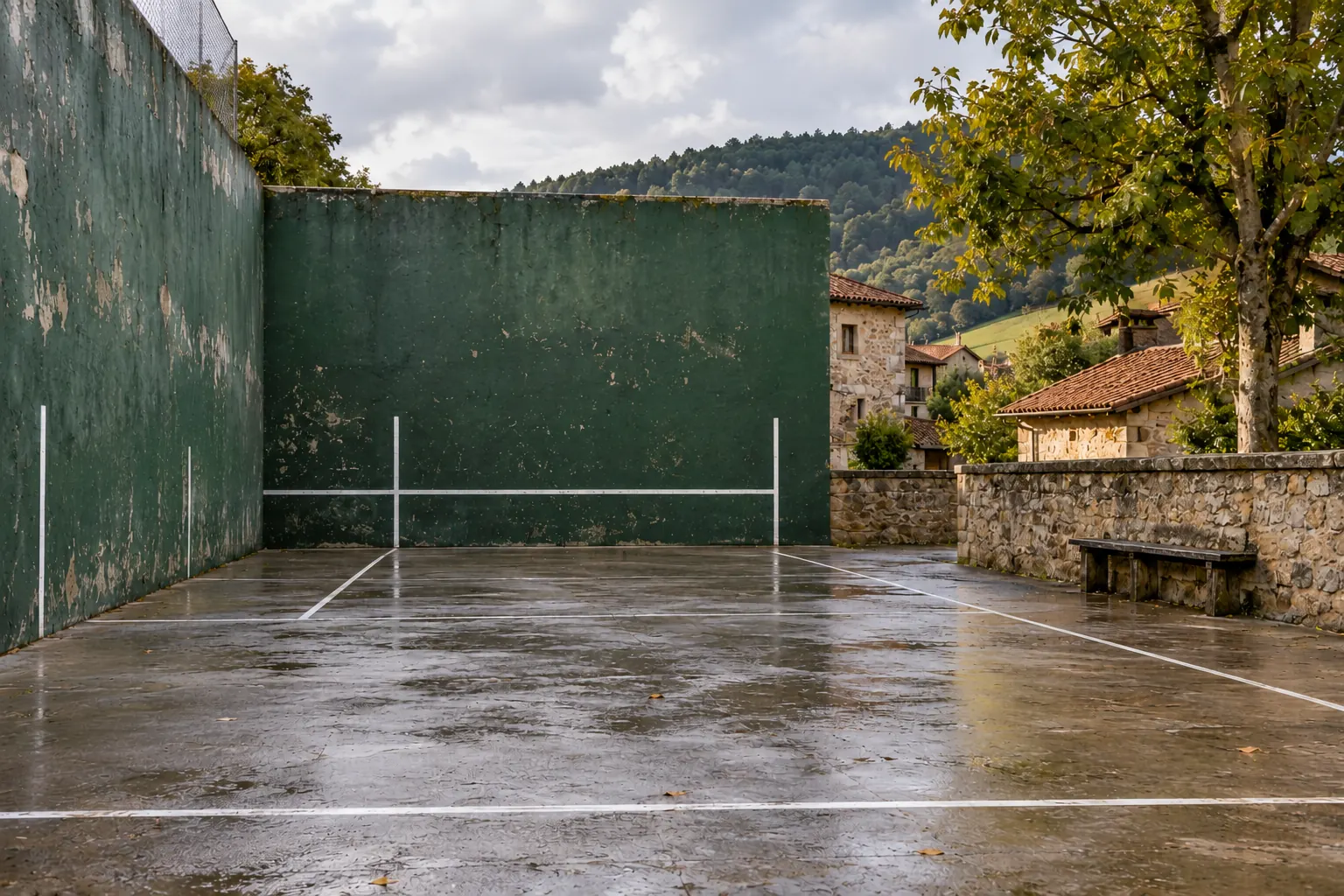
Pelota has its own place in this landscape. The frontón, the court where it is played, offers a visitor a way to encounter local sporting life beyond a stadium. The sound of the ball, the attention of the spectators, and the rhythm of a game provide a different kind of introduction to a town.
These traditions are worth approaching as activities that people still practice. Their history gives them depth; the people taking part give them a present.
Making room for the weather
The rain belongs in this account as well. Sirimiri, the fine drizzle associated with the region, may change the plan for a morning. A coastal walk can become a shorter walk followed by coffee; an afternoon outdoors can make way for a museum or a long lunch.
There is pleasure in allowing that flexibility. A visit can include well-known places while also leaving room for the unscheduled hours between them.
Those hours matter: a conversation after a meal, a pause beside the river, a shop entered without a shopping list. They allow a region to become more than a collection of recommended stops.
The landmarks offer a starting point. Staying curious about the life around them is how the visit begins to acquire its own shape.