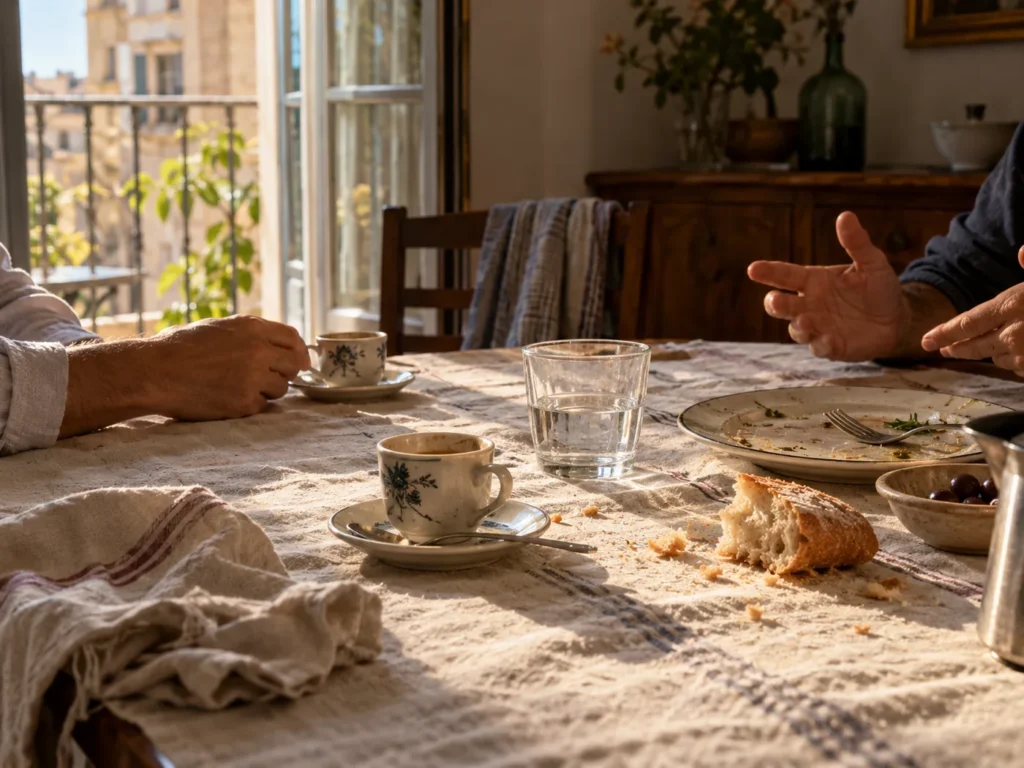
There is a place in northern Spain where the mountains do not seem to rise against the sea so much as fall into its arms.
Cantabria is small on the map, yet remarkably generous in what it contains. In a single day, you can watch morning light reach a limestone peak, eat lunch in a village that smells of cut grass and dairy farms, and end with your feet in the sand on a beach facing the Cantabrian Sea.
This is a region that rarely shouts. Cantabria’s beauty is quieter: deep green meadows softened by mist, cattle grazing above the coast, stone villages tucked into valleys, and the constant presence of water — rain, rivers, estuaries, and ocean.
For travelers looking for a slower, more rural Spain, Cantabria feels wonderfully close to the land.
Mountains, Caves, and the First Artists
The Picos de Europa are among the great natural symbols of northern Spain. Shared by Cantabria, Asturias, and León, their pale limestone walls rise abruptly above green valleys and have shaped the history, farming, and imagination of the communities around them.
But Cantabria’s most extraordinary encounter with the distant past lies underground.
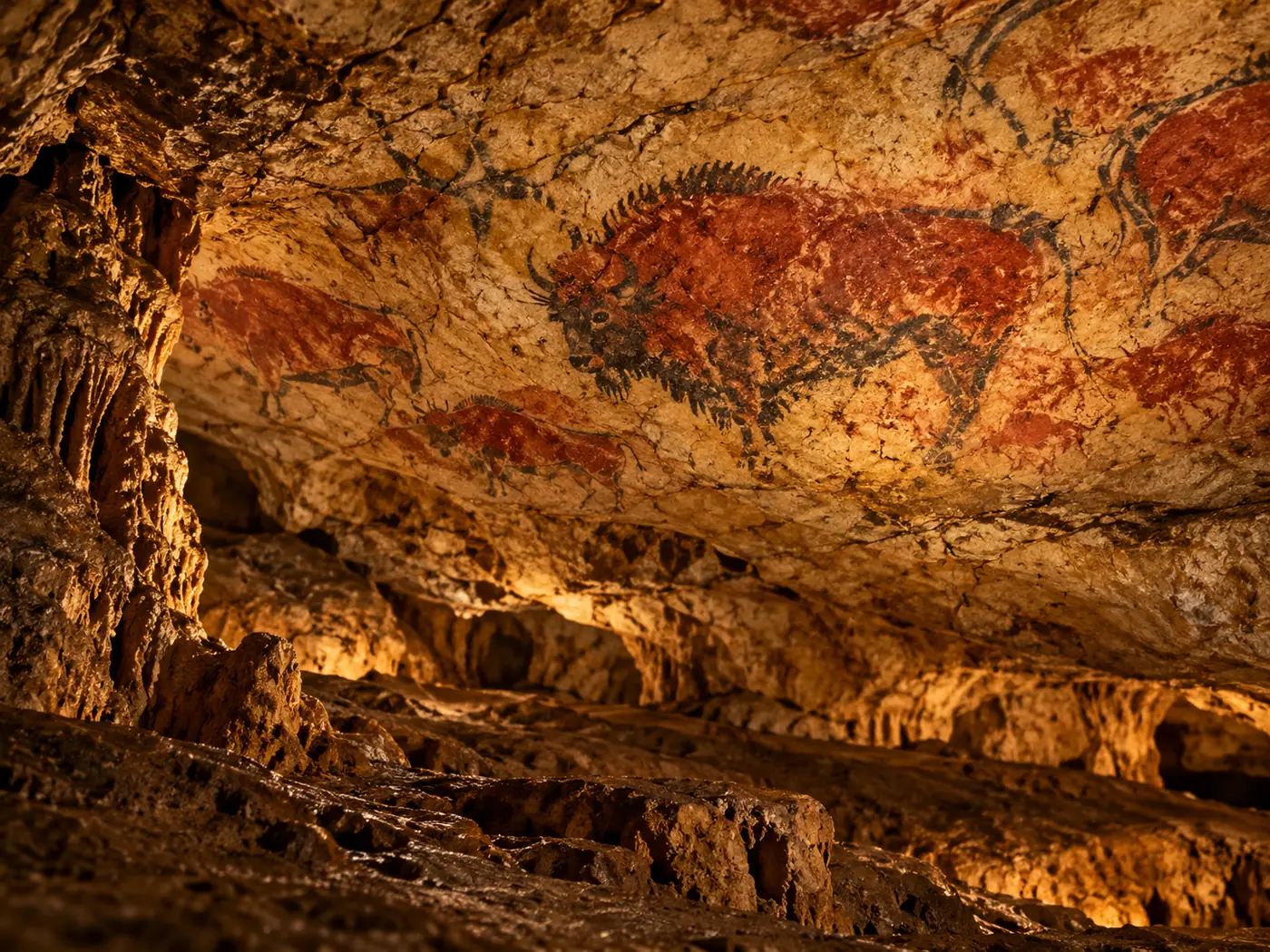
The Cave of Altamira preserves some of Europe’s most celebrated prehistoric art. Its bison, horses, signs, and other figures were painted and engraved at different moments over thousands of years, with some of the oldest known images far earlier than once believed. The achievement is startling not because it looks “primitive,” but because it does not.
The artists understood movement, volume, color, and the shape of the rock itself.
Altamira is only part of the story. Caves such as El Castillo and Las Monedas at Monte Castillo, Covalanas, and others across Cantabria preserve one of the richest concentrations of Paleolithic art in Europe. El Soplao tells a different story through geology: an underground landscape of mineral formations shaped over immense spans of time.
To enter these caves is to remember that art did not begin in palaces. It began in darkness, firelight, stone, and the human desire to leave a mark.
Stone Villages Between Pasture and Sea
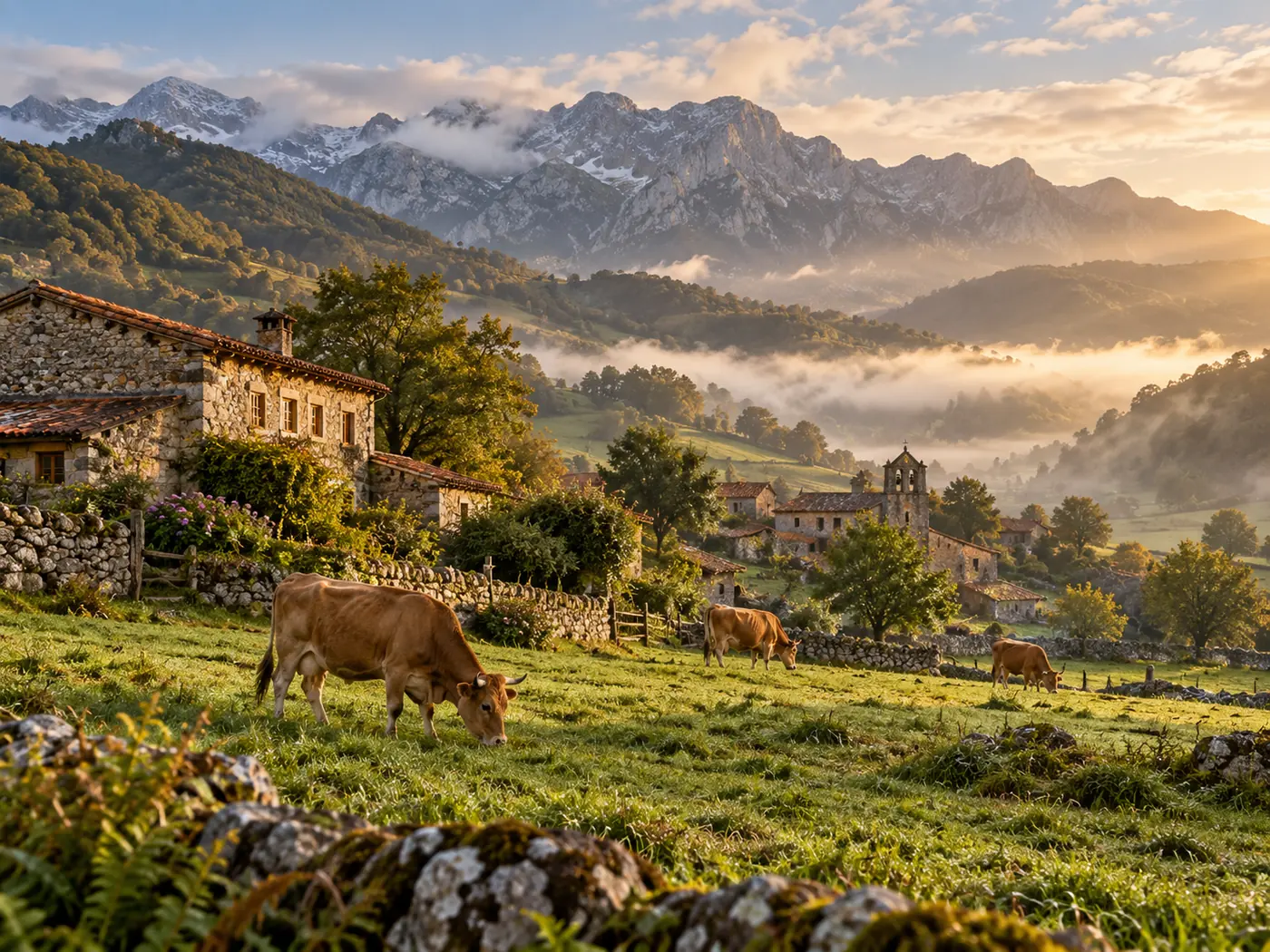
Cantabrian identity has always been shaped by a conversation between coast and countryside.
Along the shore, estuaries and bays cut deeply into the land. Santander opens onto one of Spain’s great natural bays. Santoña faces marshes and fishing waters famous for anchovies. San Vicente de la Barquera sits between sea, river, and distant mountains. Castro Urdiales and Suances still carry the memory of working ports beneath their modern life as seaside towns.
Inland, the landscape changes quickly. Liébana, the Pas valleys, Saja, and Cabuérniga unfold through oak and beech forests, trout streams, stone farmhouses, and wooden balconies bright with flowers.
This is a Cantabria of cowbells and damp earth, of haymaking and traditional cattle breeds such as the tudanca. Wooden albarcas — raised clogs once used to walk above mud and rain-soaked ground — are reminders that everyday objects can also tell the story of a climate and a way of life.
A Cuisine of Sea, Pasture, and Fire
Cantabrian food makes sense once you have seen the landscape. It is direct, generous, and rooted in what the sea and the valleys provide.
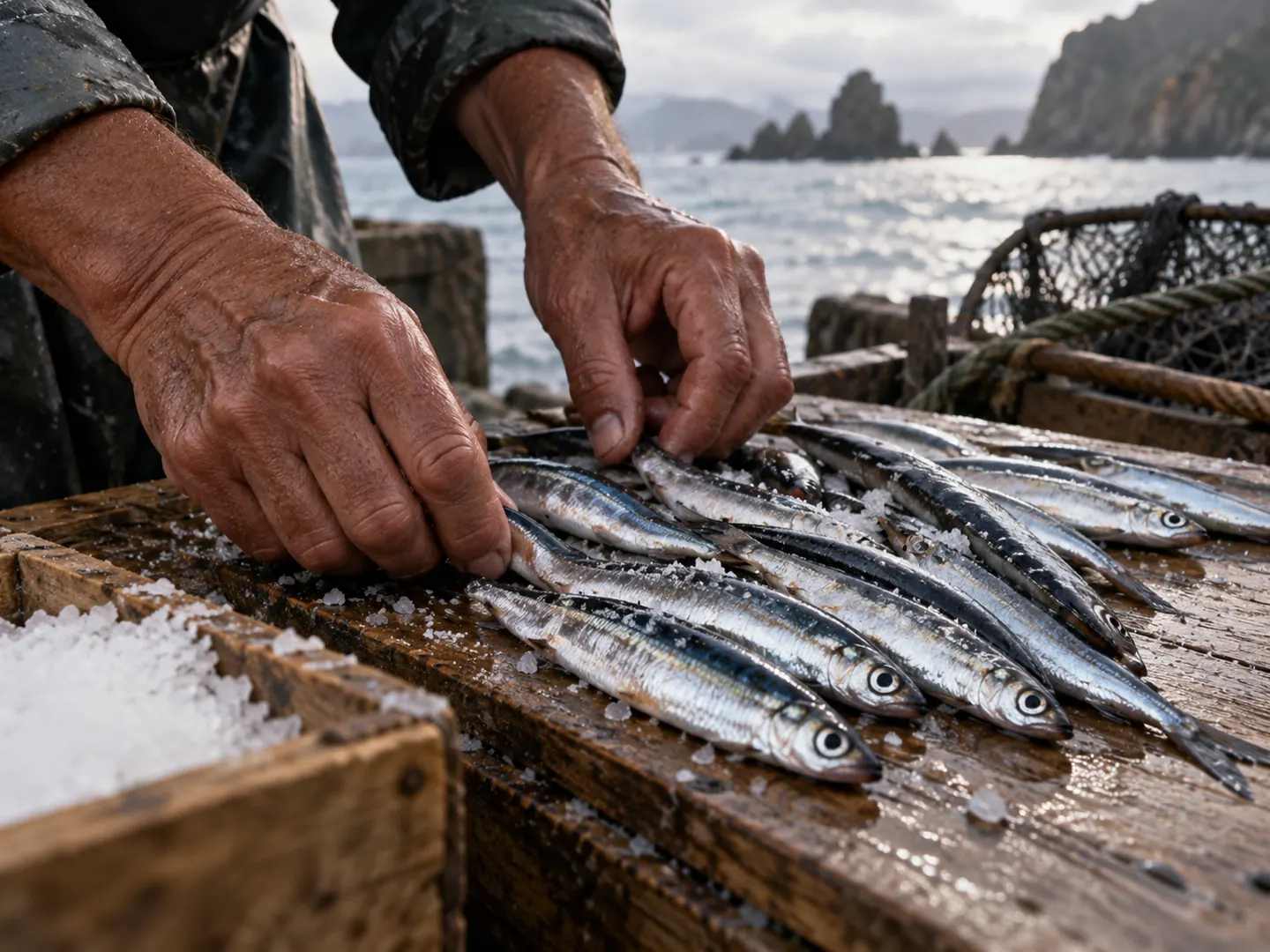
On the coast, Santoña anchovies are among the region’s best-known products, carefully cured and packed by hand. Rabas — fried strips of squid — are a classic aperitif, especially around Santander. Fish, shellfish, and hearty fishermen’s stews reflect a coast that has long depended on the Cantabrian Sea.
I have to admit it: Cantabrian anchovies are my weakness. To me, they are a true delicacy. That balance of salt, delicate texture, and lingering flavor turns a tiny fillet into one of the great pleasures of the table. Really good anchovies need very little company — perhaps some bread, a little olive oil, and enough time to appreciate every bite.
Maybe that is why I love them so much: behind each carefully prepared anchovy lie the sea, skilled hands, patience, and a tradition that refuses to be rushed. Some of Cantabria’s greatest treasures fit into a single mouthful.
Inland, cocido montañés is the food of cold and mist: white beans, collard greens, potatoes, and pork cooked slowly until the ingredients become one deeply comforting dish. Another local favorite is the carico, a small red bean traditionally grown in the region and often prepared in its own rustic stew.
Then come the dairy desserts. Quesada pasiega is dense, tender, and lightly browned; sobaos pasiegos are rich butter cakes that seem made for coffee on a rainy afternoon.
In Liébana, strong local cheeses and grape-based orujo offer another expression of mountain life — concentrated, warming, and unmistakably northern.
A Land Shaped by Resistance
The ancient Cantabri fought Rome fiercely during the Cantabrian Wars at the end of the first century BCE. The conflict became one of the final major stages in Rome’s conquest of the Iberian Peninsula and left behind a powerful regional memory of independence and resistance.
Modern Cantabria is, of course, a different world. Yet there is still a certain understated pride in the region: a strong attachment to local valleys, villages, farming traditions, and landscape.
One striking example of reinvention is Cabárceno Nature Park. Created in a landscape transformed by former iron mining, it now contains vast enclosures where animals from different parts of the world live in broad, open spaces shaped by the old mining terrain.
It is not untouched wilderness, but it is a remarkable example of a damaged industrial landscape given a completely different second life.
The Luxury of Simplicity
To visit Cantabria is to rediscover a kind of luxury that cannot be polished or packaged.
It is the silence of a beech forest interrupted by water. The smell of rain on grass. An anchovy laid carefully on bread. A road that turns and suddenly reveals the sea. A prehistoric hand that reached toward a cave wall tens of thousands of years ago and somehow still feels close.
Cantabria compresses an extraordinary amount of Spain into a small green corner: mountains and coast, farming and fishing, prehistory and modern life.
Here, time is still measured by tides, seasons, harvests, and weather.
And perhaps that is why life, for a little while, seems to taste better.